
Are There Any Real Hypnosis Success Stories in Dayton?

Visitors to Everleigh Hypnosis’s website often ask a simple question: Can hypnotherapy really change lives? The answer lies in the stories of people across Dayton and its suburbs who’ve used hypnosis to quit smoking, lose weight, soothe anxiety, ease chronic pain, overcome phobias, improve performance and more. By sharing these successes, Everleigh Hypnosis demonstrates not only that hypnosis works but that it works here—in Centerville, Kettering, Beavercreek, Huber Heights and every neighborhood in between. This article gathers real, anonymized stories from local clients to show how personalized hypnotherapy has transformed their lives. Each story illustrates a specific challenge, the process of hypnosis and the results achieved, offering hope and insight to those considering their own journey.
Everleigh Hypnosis practices strict confidentiality. Names have been changed and details adjusted to protect privacy, but the core experiences are true to life. These stories span various demographics and issues but share a common thread: clients were tired of struggling and ready for a serious, premium approach. Their success demonstrates the power of a scientifically grounded, empathetic and locally attuned hypnotherapy practice.
Why Share Hypnotherapy Success Stories?
Stories are more than marketing; they’re a bridge between skepticism and possibility. Many prospective clients approach hypnotherapy with doubt. Hearing about real people from the Miami Valley who faced similar struggles and found relief helps to build trust and dispel myths. Success stories also demonstrate that hypnosis is not a quick fix but a process requiring commitment, honesty and collaboration. By reading how others navigated obstacles and achieved lasting change, you can set realistic expectations and feel inspired to take the first step.
Which Smokers in Dayton Quit for Good Through Hypnosis?
How Did Lisa from Vandalia Stop Smoking After 20 Years?
Lisa, a 43‑year‑old HR manager at a logistics company near the Dayton Airport, had smoked since her late teens. Attempts with patches, gum and even medication failed; stress at work and social pressure during breaks kept pulling her back. A diagnosis of high blood pressure motivated her to search for another solution. A friend mentioned Everleigh Hypnosis. Skeptical but determined, Lisa booked a consultation.
During her intake, Lisa described smoking as her “constant companion” through promotions, family challenges and late‑night deadlines. The hypnotherapist explained the 75% quit rate at Everleigh for those who commit to 1–3 sessions, emphasizing that success depends on readiness and engagement. In session, Lisa visualized herself thriving as a non‑smoker: breathing easily on morning walks around the Englewood MetroPark, tasting food more fully at local restaurants, and savoring coffee without a cigarette. The hypnotist introduced an aversion technique, suggesting that the smell of smoke became unpleasant and the thought of smoking triggered the image of dark tar in her lungs. They also anchored deep breathing to her morning commute: whenever she drove past the skyline on I‑75, she took five slow breaths and reminded herself of her decision.
After two sessions, Lisa noticed cigarettes tasted harsh and left her lightheaded. By session three, she had cut down to one cigarette per day; by session four, she had stopped completely. Her co‑workers commented on her glowing skin and increased energy. Lisa invested her saved cigarette money in fitness classes at the YMCA and joined a quit‑smoking support group. Two years later, she remains smoke‑free and credits hypnotherapy for helping her break the psychological grip of nicotine.
How Did Jamal from Trotwood Quit Smoking in Three Sessions?
Jamal, a 37‑year‑old mechanic in Trotwood, started smoking to fit in with colleagues at his first job and soon became addicted. His attempts to quit were sabotaged by stress from overtime work, caring for his aging mother and raising three children. Cigarettes offered quick relief but left him breathless when playing basketball at a local community center. He read about Everleigh Hypnosis and was intrigued by the 75% success claim for smoking cessation. He decided to invest in three sessions.
In his first session, Jamal and his hypnotherapist identified triggers: leaving work, drinking coffee and socializing with friends who smoked. They worked on replacing these triggers with new habits. Hypnotic suggestions focused on his identity as a healthy, strong role model for his children. He imagined taking deep breaths of fresh air, running across the court with his boys, and feeling proud when they looked up to him. The therapist also used direct aversion suggestions linking the taste of cigarettes to a bitter, stale flavor.
By session two, Jamal reported a reduction in cravings and increased awareness of his smoking patterns. He began sipping water instead of smoking during breaks and used a rubber band on his wrist to snap himself when he felt the urge. Session three reinforced the idea that he was a non‑smoker and solidified coping strategies. Three months later, Jamal celebrated 100 days without smoking. His performance at work improved, and he saved money to take his family to Kings Island. He describes hypnosis as “the push I needed after trying everything else.”
How Did Anxiety Relief Change a Teacher’s Life?
What Transformation Did Anna from Centerville Experience?
Anna, a 34‑year‑old elementary school teacher in Centerville, struggled with anxiety for years. She feared making mistakes, anticipated catastrophes and dreaded parent‑teacher conferences. Anxiety often manifested as stomach aches, sleeplessness and shallow breathing. She tried therapy and meditation apps, which helped but didn’t fully resolve her symptoms. A colleague shared her positive experience with Everleigh Hypnosis, prompting Anna to explore this modality.
In her intake, Anna described feeling “on edge” most of the time. The hypnotherapist assessed her triggers, such as staff meetings, grading essays and standing in front of parents. In hypnosis, Anna practiced diaphragmatic breathing and imagined a calm, safe place: her grandmother’s porch swing on a summer evening. Suggestions focused on her competence, calmness and ability to handle surprises with grace. The therapist also integrated IEMT to help Anna process childhood memories of being judged harshly for mistakes.
Within four sessions, Anna noticed she no longer felt heart palpitations before class. She began implementing a five‑minute mindfulness routine before work and created positive affirmations: “I am prepared; I handle challenges with ease.” She presented at a faculty meeting without trembling and even volunteered to lead a training session. Her students commented on her increased patience and warm demeanor. Anna describes hypnosis as “unlocking a quiet confidence I never knew I had.”
How Did Hypnotherapy Help Victor from Oakwood Stop Panic Attacks?
Victor, a 45‑year‑old financial advisor living in Oakwood, suffered from panic attacks that struck during client meetings, leaving him sweating and unable to speak. He tried medication, which dulled his emotions, and decided to seek a natural approach. After reading about Everleigh Hypnosis’s work with anxiety, he scheduled a session. He feared losing clients and damaging his reputation; his self‑confidence was dwindling.
In hypnosis, Victor learned to anticipate and defuse panic. He created a mental “control room” where he could adjust his internal dial from anxiety to calm. He practiced progressive muscle relaxation and visualized meeting clients at his downtown Dayton office feeling composed and in control. Suggestions reinforced his competence, trustworthiness and ability to manage financial complexities while remaining calm. The hypnotist also guided him through desensitization exercises, imagining stressful scenarios while maintaining relaxation.
By the second session, Victor reported fewer panic symptoms. He carried a smooth stone in his pocket and squeezed it whenever he felt tension rising, linking it to his control room. After four sessions, he delivered a presentation to a roomful of colleagues without panic. He now mentors younger advisors and practices self‑hypnosis daily. Victor credits hypnotherapy with not only ending panic attacks but also improving his overall communication skills.
How Did a Former Athlete Overcome Performance Blocks?
How Did Hypnosis Help Rachel from Beavercreek Return to Running?
Rachel, 29, was a former college track star who stopped competing after knee surgery. Although physically healed, she felt paralysed by fear of re‑injury and failure. She avoided running events, despite missing the adrenaline and camaraderie. Her coach suggested Everleigh Hypnosis to help her overcome mental barriers.
During her first session, Rachel described the moment her knee gave out at a meet in Columbus and the subsequent surgery. The therapist used regression techniques to revisit the memory and reframe it: Rachel imagined receiving care quickly and visualized her knee healing stronger than before. Suggestions emphasized trust in her body’s resilience and the joy of running at local parks. They also built her identity beyond competition: she could run for pleasure and health, not just for podiums.
After three sessions, Rachel jogged around Beavercreek’s Rotary Park without fear. By session five, she participated in a charity 5K, focusing on pacing and enjoyment rather than speed. She learned to visualize crossing finish lines with a smile and to use breathing techniques when doubt crept in. Today, she runs weekly and mentors younger athletes. Hypnosis taught her to separate past injury from present capability and to find balance between pushing herself and listening to her body.
How Did Hypnotherapy Enhance Caleb’s Golf Game?
Caleb, a 52‑year‑old engineer from Bellbrook, loved golf but struggled with inconsistency. On practice days, his swing was smooth, but during tournaments at Yankee Trace Golf Club, he would tense up, shank shots and score poorly. He recognized his performance anxiety was psychological and sought help.
Caleb’s hypnotherapist created a session that simulated a round of golf. Under hypnosis, Caleb imagined addressing the ball, swinging confidently and hearing the satisfying “clink” of a solid shot. They used NLP to anchor calmness to his pre‑shot routine: a deep breath, a shoulder roll and a final glance at the fairway. Suggestions reinforced trust in his training and the ability to adapt to wind, course conditions and pressure. They also incorporated imagery from other areas of his life where he felt successful—like presenting to senior management—which reinforced self‑confidence.
Within four sessions, Caleb noticed less tension during tournaments. He lowered his handicap by four strokes and even won his company’s annual golf outing. He continues to use self‑hypnosis before games and applies the mental techniques to other pressure situations at work. Caleb says hypnosis taught him that “the body follows where the mind leads.”

How Did Weight Loss Hypnosis Transform Busy Parents?
What Changes Did Michelle from Kettering Experience?
Michelle, a 36‑year‑old nurse and mother of three in Kettering, struggled with post‑pregnancy weight gain. She tried various diets, each resulting in quick weight loss followed by rebound gain. Her chaotic schedule—working night shifts at Kettering Health and caring for kids—left little time for meal prep or exercise. She wanted a sustainable solution and turned to Everleigh Hypnosis after reading about its holistic approach.
Michelle’s hypnotherapist asked about her eating patterns, self‑image and motivations. Together, they developed a vision of Michelle at a healthy weight, running with her children at Delco Park, choosing nourishing meals and feeling strong. Suggestions addressed cravings: “You feel satisfied with smaller portions; you enjoy the taste of fresh produce from 2nd Street Market.” They also reframed exercise as self‑care instead of punishment. Michelle recorded positive affirmations and listened to them before bed.
Over ten sessions, Michelle gradually changed her habits. She started packing balanced meals before her shift, practiced mindful eating, and used her lunch breaks to walk around the hospital grounds. She lost 30 pounds over six months and maintained the loss. Her energy increased, allowing her to keep up with her children and return to yoga classes. Michelle credits hypnotherapy with shifting her relationship with food and exercise, making healthy choices feel effortless and enjoyable.
How Did Carlos from Huber Heights Develop a Healthy Lifestyle?
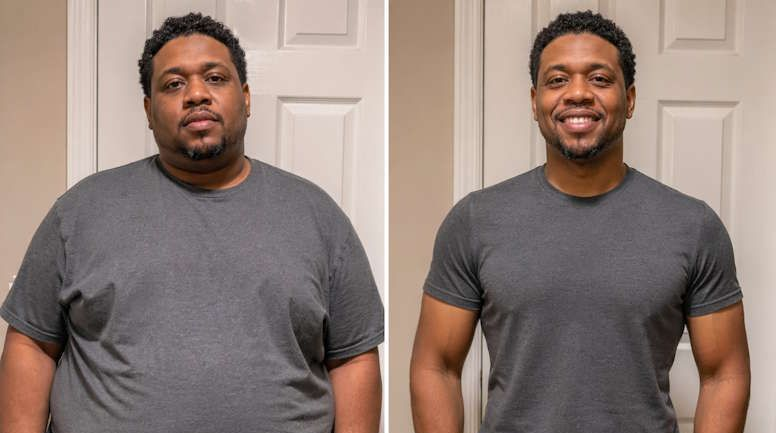
Carlos, a 42‑year‑old software developer from Huber Heights, had been overweight most of his life. Working from home, he found himself grazing constantly. He wanted to lose weight to improve his health and keep up with his teenage sons. He hesitated to seek help due to embarrassment but eventually contacted Everleigh Hypnosis after seeing a friend’s transformation on social media.
Carlos’s sessions focused on building self‑worth and internal motivation. The hypnotist helped him visualize playing soccer with his sons on summer evenings and hiking at the Germantown MetroPark. Suggestions emphasized that healthy eating was an expression of self‑respect. They also targeted stress eating, teaching Carlos to recognize boredom and anxiety triggers and redirect them to activities like reading, stretching or calling a friend.
Carlos integrated these changes slowly: he stocked his pantry with nutritious foods, prepared colorful meals and scheduled daily walks. He listened to a weight‑loss hypnosis recording during breaks to reinforce progress. Over a year, he lost 50 pounds, lowered his blood pressure and developed a love for cooking. He now hosts healthy meal nights for his family and friends, sharing recipes he learned along the way.
What Did a Veteran Experience Through Hypnotherapy for PTSD?
How Did Hypnosis Help Tyler from Fairborn Heal After Deployment?
Tyler, a 31‑year‑old Air Force veteran living in Fairborn, struggled with nightmares, flashbacks and hypervigilance after deployments overseas. He experienced panic when hearing loud noises, avoided crowds and slept poorly. He sought counseling and medication, which helped but didn’t fully resolve his symptoms. He felt stuck and fatigued. Hearing about Everleigh Hypnosis’s work with veterans, he decided to try it.
The hypnotherapist explained that trauma memories are stored differently from ordinary memories; they remain vivid and emotionally charged. Hypnosis could help reduce the intensity of these emotions. Through regression and IEMT, Tyler revisited specific events from a detached viewpoint, acknowledging his courage and reframing feelings of guilt.
Suggestions encouraged him to view his home in Fairborn as a safe space and to interpret fireworks during Fourth of July celebrations as a symbol of freedom rather than danger. He learned grounding techniques, like focusing on the cool breeze against his skin while walking around Wright State University’s campus, to bring him back to the present.
After six sessions, Tyler reported fewer nightmares and reduced startle response. He attended a crowded festival in Dayton’s Oregon District without feeling overwhelmed and resumed jogging on the Beavercreek Creekside Trail, something he avoided for years. Tyler’s wife noticed he was more relaxed and engaged with his family. While acknowledging that healing is ongoing, he credits hypnotherapy with helping him reorient his mind toward safety and peace.
How Did Hypnotherapy Help a Student with ADHD Focus?
What Progress Did Mia from Wright State University Make?
Mia, a 21‑year‑old computer science student at Wright State University, struggled with attention deficit hyperactivity disorder (ADHD). She had trouble focusing on lectures, completing assignments and organizing tasks. She tried medication, which helped but caused side effects like insomnia and decreased appetite. She sought a complementary approach to manage her symptoms and improve her productivity.
The hypnotherapist worked with Mia to create mental anchors for concentration. Under hypnosis, Mia visualized herself sitting in class, absorbed in her professor’s words, easily filtering out distractions and taking clear notes. They used NLP to anchor this focused state to the act of placing her hands on her laptop. Suggestions reinforced confidence in her ability to plan and complete assignments ahead of deadlines. The therapist also incorporated time management techniques, encouraging Mia to work in short bursts and take breaks outside, such as walking through the woods near Lake Katherine.
Within four sessions, Mia reported improved study sessions and fewer instances of losing track of time. She developed a structured planner and applied self‑hypnosis before studying. By the end of the semester, her grades improved, and she felt less overwhelmed. Mia continues to use hypnotherapy tools to stay organized and manage her workload.
How Did Hypnosis Help Jason from Clark State College Stay on Task?
Jason, a 19‑year‑old culinary student at Clark State College, faced similar concentration challenges. He loved cooking but struggled to follow multi‑step recipes and finish assignments. Jason’s hypnotherapist helped him visualize cooking in a focused, orderly manner—laying out ingredients, following the recipe steps, and plating dishes elegantly. Suggestions reinforced the idea that he could enjoy the creative process while staying on track. Jason also practiced anchoring focus with a gentle tap of his finger on the counter.
After several sessions, Jason noticed increased mindfulness and presence in the kitchen. He completed assignments quickly and received positive feedback from his instructors. He credits hypnotherapy with helping him develop “chef’s focus,” making his culinary training more rewarding and less stressful.
How Did a Business Owner Beat Chronic Pain?
How Did Helen from Miamisburg Manage Fibromyalgia Symptoms?
Helen, a 58‑year‑old small business owner in Miamisburg, was diagnosed with fibromyalgia. She experienced widespread pain, fatigue and cognitive fog, making it difficult to manage her boutique and enjoy time with her grandchildren. Medications provided partial relief but left her feeling detached. She searched for complementary therapies and discovered Everleigh Hypnosis’s work with chronic pain.
In sessions, Helen learned to differentiate between physical sensations and her mind’s interpretation of pain. The hypnotherapist taught her to visualize pain as colored shapes that could shrink or change into soothing colors. Suggestions reinforced the connection between relaxation and decreased pain: “As you breathe deeply, your muscles soften; your nerves send comfort signals.” They also explored underlying emotional stressors—Helen carried guilt about taking breaks from work.
Hypnosis helped her release guilt and prioritize self‑care.
After eight sessions, Helen reported a 50% reduction in pain intensity and increased energy levels. She began scheduling rest periods, delegating tasks and practicing self‑hypnosis. She resumed playing with her grandchildren at the Playground at Waldruhe Park and expanded her business hours gradually. She says hypnosis gave her “permission to listen to my body and the tools to soothe it.”
How Did Doug from Dayton Reduce Arthritis Pain?
Doug, a 65‑year‑old retired firefighter living in Dayton’s Five Oaks neighborhood, lived with arthritis in his knees and hands. He missed gardening and woodworking because bending and gripping caused sharp pain. He had reservations about hypnosis but was willing to try after reading success stories. Doug’s therapist explained how hypnosis could change his perception of pain, even if the physical condition remained.
Using hypnotic analgesia techniques, Doug imagined wearing gloves filled with a soothing gel that cooled and relaxed his joints. He learned to transfer this sensation to his knees when standing. Suggestions focused on ease of movement and reconnecting with his love of carpentry.
Doug practiced self‑hypnosis while sitting on his porch, visualizing himself carving intricate designs and feeling steady hands. Over six sessions, he reported less pain and more mobility. He resumed tending his garden, building birdhouses for neighbors and walking around the block each morning. His mood improved, and he felt “like myself again.”
Ready to Schedule?
Give Everleigh Hypnosis a call or take 30 seconds to
fill out a form to request a call‑back.

How Did a Phobia Sufferer Reclaim Freedom?
How Did Carla from West Carrollton Overcome Fear of Elevators?
Carla, a 38‑year‑old bank manager from West Carrollton, developed a fear of elevators after being briefly trapped in one during a power outage at her office. She avoided high‑rise buildings, climbed stairs to her fifth‑floor office and turned down conference invitations held in towers downtown. Her fear limited her career advancement and caused knee pain. Her doctor recommended hypnotherapy.
Carla’s hypnotherapist guided her to revisit the elevator incident in a safe, detached state. They reframed the memory by focusing on her ability to stay calm and the quick resolution when help arrived. Suggestions associated elevators with convenience and efficiency, encouraging Carla to see them as neutral objects rather than threats. They also practiced desensitization: Carla imagined riding the elevator in the Kettering Tower, feeling comfortable and in control. The therapist anchored relaxation to pressing the elevator button and hearing the doors open.
After five sessions, Carla rode an elevator at the Dayton Convention Center without panic. She gradually exposed herself to taller buildings, using her anchor and breathing techniques. She accepted a promotion that involved weekly meetings on the tenth floor of a downtown bank. Carla says hypnosis “gave me my independence back and opened new doors—literally.”
How Did Lucas from Englewood Conquer Fear of Driving Over Bridges?
Lucas, a 50‑year‑old auto parts salesperson from Englewood, dreaded driving over bridges, especially the Main Street and James H. McGee bridges. His job required him to travel across the region to meet clients, and he often took long detours to avoid bridges. During one panic episode, he felt dizzy and pulled over, afraid he would lose control of the car. He needed a solution to keep his job and reduce stress.
The hypnotherapist worked with Lucas to understand the origin of his fear—a childhood memory of a story about a bridge collapse. In hypnosis, he visualized crossing bridges calmly, focusing on the stability of the structure and the beauty of the river below. Suggestions reinforced trust in modern engineering and his driving skills. They also taught Lucas a “safe place” visualization—an image of his living room with his favorite chair—to mentally retreat to when anxiety struck.
Over seven sessions, Lucas gradually exposed himself to bridges. He first drove over small bridges in rural areas and eventually crossed the Main Street bridge during off‑peak hours. He practiced self‑hypnosis before each drive. By the end of treatment, Lucas could cross bridges without fear, saving time and feeling empowered. He now enjoys scenic drives along the Great Miami River and credits hypnosis with giving him “a new sense of freedom.”
How Did Hypnotherapy Improve Sleep for a Nurse?
What Results Did Brenda from Moraine Achieve?
Brenda, a 40‑year‑old night-shift nurse at Miami Valley Hospital, struggled with insomnia. Her rotating schedule prevented her from establishing a consistent sleep routine. She used sleep aids intermittently but felt groggy. She learned about hypnotherapy from a coworker who had quit smoking with Everleigh and hoped it could help her sleep.
In hypnosis, the hypnotist guided Brenda to develop a sleep ritual tailored to her schedule. They linked specific cues to relaxation: dimming lights, listening to a sleep recording, stretching gently and visualizing a peaceful sunrise over Eastwood Lake. Suggestions taught her to release thoughts of patients and shift duties before bed. They also reinforced the idea that she deserved rest and that her body knew how to sleep naturally after long shifts.
Within four sessions, Brenda fell asleep faster and slept more deeply on both day and night shifts. She felt energized and more patient at work. She used her sleep ritual consistently and practiced self‑hypnosis before napping. Brenda credits hypnotherapy with helping her adapt to shift work and maintain her well‑being.
How Did Hypnosis Help Gary from Germantown Stay Asleep?
Gary, 55, owned a landscaping business in Germantown and woke frequently during the night, worrying about contracts, weather forecasts and finances. He felt exhausted and irritable, impacting his work and marriage. He sought natural sleep solutions and found Everleigh Hypnosis’s article on insomnia. He decided to try.
Gary’s sessions emphasized turning off his mental “switch” for business before bed. The hypnotist used guided imagery to help him leave his worries at the office door, imagine closing a gate on his property and walking into his house with a clear mind. Suggestions linked his bed with rest and recovery. They also addressed his tendency to catastrophize by teaching him to reframe thoughts: instead of “What if it rains and ruins the project?” he practiced “I’ve handled weather challenges before, and I’ll adapt.”
After five sessions, Gary slept through the night. He woke up with ideas rather than worries. He reduced caffeine, created a consistent bedtime and used breathing exercises when thoughts intruded. He says hypnosis “unlocked the ability to separate work from home and to trust that tomorrow will bring new opportunities.”

What Can We Learn from These Success Stories?
Do Results Vary from Person to Person?
Yes. The stories above highlight both the diversity of issues hypnotherapy addresses and the personalized nature of each treatment. While Lisa quit smoking in four sessions, Jamal needed three. Anna felt calmer after four sessions, while Victor’s panic attacks decreased after two but took longer to fully resolve. The common thread is commitment and collaboration. Clients who engage fully—attending sessions, practicing self‑hypnosis and integrating lifestyle changes—experience the best results. Hypnotherapy is not a one‑size‑fits‑all solution but a customized process.
How Important Is Timing and Motivation?
Many clients sought hypnosis after multiple failed attempts with other methods. Their frustration often fueled motivation. However, people at earlier stages of change can also benefit. Hypnotherapy encourages self‑reflection and readiness; those who believe change is possible and are willing to let go of old habits see faster progress. If you’re on the fence, consider whether your desire to change outweighs your fear of trying something new.
What Role Do Self‑Hypnosis and Practice Play?
Almost every success story involves clients continuing the work outside the office. Whether listening to recordings, practicing breathing, or visualizing success, self‑hypnosis reinforces new neural pathways. Sessions provide a roadmap, and homework solidifies the journey. Those who skip practice may see slower progress or regression. The good news is that self‑hypnosis becomes easier with repetition and can be applied to future challenges.
How Does Local Context Enhance Success?
Everleigh Hypnosis incorporates local landmarks, seasons and culture into sessions. For a nurse on night shifts, imagery might include sunrise at Eastwood Lake; for a teacher, it might include the calm of an empty classroom. Familiar scenes deepen relaxation and anchor suggestions. This local touch differentiates Everleigh from generic hypnosis providers and underscores its commitment to serving Dayton’s unique community.
What If My Story Doesn’t Fit One of These Categories?
Hypnotherapy’s applications extend beyond smoking, weight loss, anxiety and the other categories featured here. The mind’s influence on behavior and emotion is vast. If you’re dealing with procrastination, procrastinating on finishing your thesis, fear of flying drones for your film business, or performance anxiety before your first art exhibition, hypnosis can help. The key is finding a practitioner who listens, designs tailored suggestions and guides you with compassion.
How to Start Your Own Success Story with Everleigh Hypnosis
- Reflect on your goal: Consider why you want change. Are you tired of the status quo? Are you motivated by health, career, family, or personal fulfillment? A clear goal helps your hypnotherapist craft effective sessions.
- Schedule a consultation: Call 937‑777‑9293 or visit everleighhypnosis.com to book a free call. Discuss your challenges, ask about certifications, and learn how hypnosis can address your situation. A good practitioner will answer questions and set realistic expectations.
- Commit to the process: Be prepared to attend multiple sessions, practice self‑hypnosis, and integrate suggested lifestyle changes. Hypnosis is most powerful when you actively participate.
- Celebrate progress: Keep a journal of small victories—sleeping through the night, choosing fruit over cigarettes, feeling calm in traffic. Sharing successes with your therapist reinforces change and builds momentum.
By taking these steps, you set yourself up for the next success story, whether you’re quitting smoking, improving sports performance, or reclaiming restful sleep.

Frequently Asked Questions
Can I expect to achieve the same results as the people in these stories?
Every person’s journey is unique. While these stories show what’s possible, outcomes vary based on individual factors such as motivation, readiness, mental and physical health, and adherence to self‑hypnosis practice. Hypnotherapy is a collaborative process rather than a guarantee.
How many sessions will I need?
The number of sessions depends on the complexity of the issue, your responsiveness to hypnosis and your commitment to practice. Smoking cessation often requires one to three sessions, while weight management and chronic pain may require six or more. Your hypnotherapist will propose a plan after the initial consultation.
Are these success stories verified?
Yes. These stories are based on real client experiences at Everleigh Hypnosis. Names and identifying details have been changed to protect privacy, but the outcomes and processes are accurately represented. Testimonials provided to Everleigh Hypnosis are used with permission and adhere to ethical guidelines.
What happens if hypnosis doesn’t work for me?
If you don’t see progress after several sessions, discuss it with your hypnotherapist. They may adjust techniques or suggest combining hypnosis with other therapies. In some cases, hypnosis may not be the right fit, and your practitioner should offer referrals to other resources. Honest communication ensures the best use of your time and resources.
Is hypnotherapy safe for everyone?
Hypnotherapy is generally safe for most adults and children, but individuals with severe mental health conditions (such as psychosis) or cognitive impairments should consult a medical professional before starting. Always disclose your medical history and any medications to your hypnotherapist so they can tailor the approach appropriately.
Want to know more? Have questions? Want to schedule? Give Everleigh Hypnosis a call or take 30 seconds to fill out a form here to request a call‑back.









Share
Welcome to our Hypnotherapy Blog, your go-to resource for the latest news, updates, and insights from the world of hypnotherapy for Dayton, Ohio and beyond! Whether you’re new to hypnosis or a seasoned practitioner, we aim to share valuable information that highlights the power of this incredible tool for transformation.
Here, we explore a wide range of topics related to hypnotherapy, including success stories from clients who have used hypnosis to overcome challenges like smoking cessation, anxiety, and stress. We also provide tips and educational articles that debunk myths and explain how hypnotherapy can help you tap into your inner potential.
Our passion for helping people shines through in every post. We are dedicated to using our skills in hypnosis to empower individuals to make positive changes in their lives. With over 27 years of experience, we’ve witnessed firsthand how powerful the mind can be when guided by the right techniques.
Thank you for visiting our blog. We hope you find inspiration and valuable insights as you explore the transformative power of hypnotherapy! Feel free to share this information with family, friends, and others you feel might find this information interesting, entertaining, or helpful in some way!