
How Can Hypnotherapy Help You Overcome Phobias and Fears in Dayton?
Everyday life in the Miami Valley is full of events that trigger fear – from crossing the five‑lane highway on I‑75 to boarding a flight at Dayton International Airport. So how can hypnotherapy help you overcome phobias and fears in Dayton? The short answer is that hypnotherapy rewires the subconscious mind to reduce your automatic fear response, dismantle the root triggers behind your phobia, and build calm confidence in challenging situations. By guiding you into a deeply relaxed state where your mind is receptive to new suggestions, hypnotherapy allows you to re‑experience scary situations in a safe, controlled way while layering in feelings of ease and control. Over time, this process retrains your brain to respond differently so that driving across the river, walking into a crowded arena or petting a dog no longer sparks panic.
In the following sections, we explore the most common phobias affecting Dayton residents, explain why phobias develop and how they impact mental health, and dive into the mechanics of phobia‑focused hypnotherapy. We’ll also cover what to expect during a session, how to prepare, local success stories and frequently asked questions. Whether your fear started after a specific incident—like a car accident on Route 4—or you’ve carried it since childhood, this guide will show you how Everleigh Hypnosis combines expertise, empathy and local knowledge to help you reclaim your life.
What Are the Most Common Phobias Among Dayton Residents?
Phobias are intense, irrational fears of specific objects, situations or activities. They can develop at any age and often have roots in past experiences, learned behavior or hereditary predisposition. In Dayton and its surrounding communities, we see a wide spectrum of phobias that reflect both universal human fears and local lifestyle factors.
Fear of driving or bridges: Many Daytonians rely on personal vehicles for transportation. Busy highways like I‑75, I‑70 and Route 35 can be intimidating, especially after a past collision or near miss. Phobias may center on crossing the Miami River bridges near downtown or navigating the elevated ramp onto I‑675. People with driving phobia often avoid these routes, adding hours to their commutes from Xenia, Vandalia or Miamisburg and limiting their independence.
Fear of heights (acrophobia): High structures such as the Deeds Point bridge, the bell tower at Carillon Historical Park and even the upper balconies of the Schuster Center can trigger panic in those with acrophobia. This fear may restrict participation in local outings like hiking at John Bryan State Park, visiting the Aullwood Audubon Center or enjoying the view from a Ferris wheel at the Montgomery County Fair.
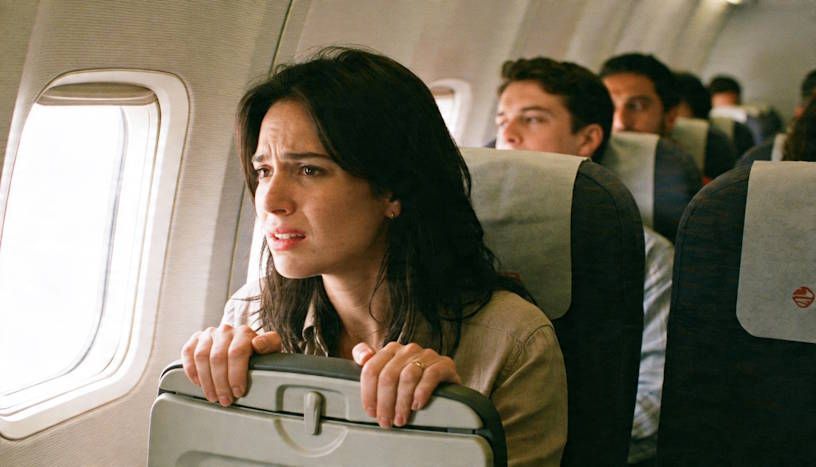
Fear of flying (aviophobia): Though Dayton is known as the birthplace of aviation, flying still sparks anxiety for many. Fear of crashing, claustrophobia in the cabin or loss of control can prevent residents from visiting relatives out of state or taking business trips from the Dayton airport. Some people also carry trauma after turbulent flights or aviation‑related news stories.
Fear of dogs (cynophobia): With dog parks across Kettering and pet‑friendly restaurants along Brown Street, cynophobia can feel especially isolating. A childhood bite, being chased by a neighborhood dog on Linden Avenue or simply growing up without exposure to animals can trigger this fear. Avoiding parks, family gatherings or even walking in your neighborhood can significantly restrict daily life.
Fear of water (aquaphobia): The Great Miami River, local lakes and public pools offer recreation, but they can be terrifying for those with aquaphobia. A near‑drowning experience at Caesar Creek, a traumatic swim lesson at the YMCA or seeing news stories about floods may trigger this fear. People may decline invitations to the splash pad at Riverscape MetroPark or avoid boating with friends at Eastwood Lake.
Fear of public speaking (glossophobia): Whether presenting at Wright State University, leading a meeting at Premier Health or toasting at a family wedding at the Dayton Arcade, public speaking is a common source of dread. Glossophobia is often tied to fear of judgment, embarrassment or past experiences of freezing up, and it can stall careers and personal growth.
While these are some of the most common phobias in the Miami Valley, fear can attach itself to almost anything—needles, elevators, thunderstorms, insects, hospitals or germs. Each person’s experience is unique, and effective treatment requires a personalized approach that considers the specific triggers and emotional history behind the fear.
How Do Phobias Affect Daily Life and Mental Health?
Living with a phobia is more than a simple dislike; it is a constant undercurrent of anxiety that shapes decisions, restricts freedom and damages self‑esteem. Imagine refusing a promotion because it requires flying to a conference in another state, or declining a family trip to Kings Island because you can’t handle roller coasters or elevators. Everyday choices become complicated, relationships suffer and opportunities slip away.
Phobias can lead to avoidance behavior. Someone with aquaphobia might decline invitations to cookouts at Buck Creek State Park, while a person afraid of bridges may take lengthy detours to avoid crossing the river, increasing stress, fuel costs and travel time. Avoidance reinforces the belief that the feared situation is dangerous, which in turn maintains or worsens the phobia. Over time, the fear can generalize: a person afraid of dogs may start to fear any outdoor activity where they might encounter animals.
The physiological response to phobic triggers includes increased heart rate, sweating, trembling, stomach upset, dizziness and shortness of breath. These symptoms can be frightening in their own right and may lead to panic attacks. The anticipation of these sensations can keep someone in a state of chronic stress. Long‑term stress affects the immune system, sleep quality and overall mood, potentially leading to depression or generalized anxiety disorder.
Phobias also impact self‑image. People may feel embarrassed about their fear, especially if they believe others might judge it as irrational. They might hide their phobia, making excuses for not attending events rather than explaining the real reason. The secrecy can lead to feelings of isolation and shame. Children with phobias may be teased, and teens might avoid social situations, which can affect development and academic performance.
Finally, phobias can strain relationships. Loved ones often try to accommodate the person’s fear by changing plans or providing reassurance, but this can create tension and resentment over time. In extreme cases, family members become frustrated and pressure the person to confront their fear without proper support, leading to conflict and emotional distance.
Why Do Phobias Develop?
Phobias arise from a combination of factors including past experiences, learned behavior and biological predispositions. Understanding these factors helps demystify why fears feel so strong and why they may resist logic alone.
Trauma and specific incidents: Often, phobias trace back to a traumatic event involving the feared object or situation. A child who nearly drowned in the pool at Meadowbrook can develop a lifelong fear of water. Someone who experienced turbulence while flying to a vacation in Florida may fear airplanes. Even witnessing a car accident on I‑70 or hearing about a bridge collapse on the news can create a phobic association.
Modeling and learned fear: Children and adults alike learn to fear things by observing others. If a parent screams when they see a spider or expresses anxiety about thunderstorms, children may internalize these reactions. Media coverage of disasters—plane crashes, dog attacks, floods—can also instill fear, especially when images are vivid and repeated.
Genetics and temperament: Some individuals are more prone to anxiety due to genetic factors. Research suggests that a heightened sensitivity to fear may be inherited. A naturally cautious child may be more likely to develop a phobia when exposed to a frightening event than a child with a more resilient temperament.
Cognitive biases: Our brains tend to focus on negative information. Once a fear has been established, confirmation bias leads us to notice anything that supports it. A person with aquaphobia might notice every news report about drownings while ignoring statistics showing the rarity of such incidents. This selective attention reinforces the belief that water is dangerous.
Avoidance reinforcement: As mentioned earlier, avoiding feared situations offers immediate relief, which reinforces the avoidance behavior. Over time, this reduces opportunities to disconfirm the belief that the feared object or situation is dangerous. The longer a fear goes unchallenged, the more deeply it becomes ingrained.
How Does Hypnotherapy Treat Phobias and Fears?
Hypnotherapy treats phobias by accessing the subconscious mind and modifying the automatic responses that fuel fear. While exposure therapy, cognitive‑behavioral therapy (CBT) and medication can all be effective, hypnosis offers a unique pathway to change because it works beneath the surface where phobic reactions are stored.
What Happens During a Hypnotherapy Session?
In a typical phobia session at Everleigh Hypnosis, the therapist first gathers information about your fear. They’ll ask about its origins, triggers, physical symptoms and how it affects your life. This discussion establishes trust and helps the practitioner tailor suggestions to your specific needs.
You’re then guided into a relaxed state through a series of induction techniques—like focusing on your breath, visualizing a peaceful scene or following the therapist’s voice. This relaxed state is not sleep; you remain aware of your surroundings and in control, but your brain waves slow and your critical mind softens. In this receptive state, the therapist introduces positive suggestions and imagery related to your phobia.
For example, if you fear heights, the therapist might guide you to imagine standing in a high place, such as the observation tower at the Wright Brothers National Museum, feeling safe and confident. They may pair this image with deep breathing and feelings of calm. They might also suggest that you see yourself looking out over the Miami Valley, feeling proud and relaxed. If your fear stems from a specific event, the therapist may help you revisit that memory and reframe it with a sense of control and safety.

How Does Hypnotherapy Rewire the Fear Response?
Hypnotherapy leverages neuroplasticity—the brain’s ability to form new neural connections. Through visualization and suggestion, you practice reacting to feared situations in a new way. Your subconscious begins to associate the once‑scary trigger with feelings of ease and mastery. Over time, this changes how your amygdala (the brain’s fear center) responds.
Suggestions might include affirmations like “When you cross the Main Street bridge, you feel grounded and calm,” or “Dogs in your neighborhood are friendly, and you respect them while feeling at ease.” Therapists may also use a technique called systematic desensitization, in which you imagine gradually facing your fear in small steps while remaining relaxed. For driving phobia, you might first visualize sitting in your car, then driving around the block, then merging onto I‑75. Each step builds confidence without overwhelming you.
Can Hypnotherapy Identify Root Causes?
Yes. Hypnotherapy can also explore the origin of your phobia through regression techniques. This does not involve reliving trauma, but rather observing memories from a detached perspective. You might realize that your fear of water traces back to being thrown into a pool by a well‑meaning relative at a childhood party. Recognizing the root allows you to separate the past event from your current reality and replace old associations with new, empowering ones.
What Can You Expect During Hypnotherapy Sessions for Phobias?
Each client’s experience is unique, but there are common elements across sessions.
Initial consultation: Before any hypnotic work, you’ll meet with your therapist to discuss your goals, fears, history and any health considerations. This conversation may take place in person at Everleigh’s Centerville office or remotely via secure video for clients in Springboro or Huber Heights.
Relaxation and induction: During the session, you’ll sit or recline in a comfortable chair. The therapist will help you relax using progressive muscle relaxation, guided breathing or visualization. You’ll likely notice your body becoming heavy and warm, your breathing slowing and your mind settling. However, you remain conscious and can speak, move or stop at any time.
Customized suggestions: Once relaxed, the therapist introduces imagery and affirmations specific to your phobia. If you fear dogs, for example, they might guide you to imagine walking through Oakwood’s dog park, feeling neutral as a friendly dog passes by on a leash. They might suggest that each time you see a dog, you focus on its owner and the leash, and you breathe calmly. If you fear thunderstorms, they might help you imagine watching a summer storm from your porch in Tipp City, hearing the rain as soothing instead of alarming.
Anchors and coping skills: Many hypnotherapists teach you to create an anchor, a physical touch or gesture that triggers calm. For instance, touching your thumb and forefinger together might remind you of the peaceful state achieved in session. Therapists also integrate coping techniques like diaphragmatic breathing or visualization of a “safe place” (perhaps a favorite spot at Englewood MetroPark) you can mentally retreat to when fear arises.
Integration and homework: After the trance phase, the therapist brings you back to full awareness and discusses the experience. They may give you recordings to listen to between sessions or suggest journaling about any progress. They’ll encourage gradual exposure to your fear in real life—driving short distances, visiting an airport without flying, standing near a dog behind a fence—while practicing relaxation techniques.
Follow‑up and progression: Over multiple sessions, you’ll gradually tackle more challenging scenarios. Many clients notice improvements after two or three visits, but phobia resolution can take anywhere from three to ten sessions depending on severity and the individual’s readiness for change. The process is collaborative; your feedback helps the therapist adjust the approach and pacing.
Want to know more?
Give Everleigh Hypnosis a call
or take 30 seconds to
fill out this form
to request a call‑back.
Why Choose Hypnotherapy Over Other Treatments for Phobias?
While cognitive‑behavioral therapy, exposure therapy and medication are established treatments for phobias, hypnotherapy offers unique advantages, especially when combined with these approaches.
Direct access to the subconscious: Hypnosis works at the level where phobic responses originate. Traditional talk therapy addresses conscious thought patterns, which may not be enough to override deeply ingrained fear circuits. Hypnotherapy can reprogram these circuits, making exposure less distressing and cognitive techniques more effective.
Faster progress for some individuals: Many people report significant relief after just a few sessions because hypnosis accelerates the creation of new neural pathways. While everyone’s pace varies, hypnotherapy can shorten the overall treatment timeline.
Reduced discomfort: Exposure therapy sometimes involves confronting the fear head‑on in real life, which can be overwhelming. Hypnotherapy allows you to practice facing the fear in your mind before trying it in person, easing the transition. The relaxed state also helps you stay calm during real‑world exposure.
Holistic benefits: Hypnotherapy often improves sleep, reduces overall anxiety and increases self‑confidence. Clients find that the techniques they learn—deep breathing, visualization, self‑suggestion—help them manage stress beyond their specific phobia. This broader resilience can prevent other anxieties from taking hold.
Compatibility with other therapies: Hypnosis complements CBT, exposure therapy, medication and mindfulness practices. For example, you might use hypnotic suggestions to reinforce cognitive restructuring learned in CBT, or to prepare mentally for graded exposure tasks assigned by your therapist. At Everleigh Hypnosis, practitioners often collaborate with psychologists and physicians to ensure a cohesive treatment plan.
Who Can Benefit from Phobia Hypnotherapy?
Hypnotherapy is suitable for a wide range of people, from children to seniors. Anyone whose fear causes distress or interferes with daily activities may benefit. Here’s who typically seeks help:
Adults with long‑standing fears: Maybe you’ve avoided the freeway since a crash ten years ago or haven’t flown since your honeymoon. Hypnotherapy offers a path to reclaim independence and spontaneity.
Teens navigating social fears: High school students might develop glossophobia before giving a speech at Wayne High School or fear of driving before getting their license. Hypnotherapy helps them build confidence early in life, preventing the fear from shaping their future.
Children with specific phobias: Young children may fear needles, water or animals. Hypnotherapy uses gentle language and age‑appropriate imagery—imagine blowing bubbles with the fish at the Newport Aquarium—to help them feel safe.
Expectant mothers: Fear of childbirth or medical procedures can impact pregnancy. Hypnotherapy teaches relaxation techniques and positive imagery that reduce anxiety and pain perception during labor at Miami Valley Hospital or Soin Medical Center.
Professionals facing career limitations: Engineers at Wright‑Patterson Air Force Base, teachers, salespeople and executives often need to travel or speak publicly. Hypnotherapy can open doors that fear once closed.

How Should You Prepare for Your First Phobia Hypnotherapy Session?
Preparing for a hypnotherapy session involves both practical and mental steps.
Identify triggers and goals: Spend some time reflecting on when your fear started, what situations or objects trigger it and how it affects your life. Write down specific examples—avoiding swimming with your kids at Splash Moraine, declining a promotion due to travel, or leaving early when storms hit. Also consider what you hope to achieve: crossing the bridge calmly, playing fetch with your nephew’s dog at the park or giving a confident presentation at the Dayton Convention Center.
Clear your schedule: Sessions typically last an hour. Choose a time when you can arrive unhurried and stay a few minutes afterward to process the experience. Avoid scheduling immediately before stressful events.
Wear comfortable clothing: You’ll be sitting or lying down for part of the session, so dress in layers and choose loose clothing.
Maintain an open mind: Some people worry they cannot be hypnotized or fear losing control. Hypnosis is a natural state similar to daydreaming. It requires openness and trust. If you feel nervous, discuss your concerns with your hypnotherapist; they will answer questions and explain the process.
Limit stimulants: Reduce caffeine and sugar intake before the session, as they can make relaxation more challenging. Avoid alcohol or recreational drugs, which can impair focus.
Be patient with yourself: Progress varies. Some people feel immediate relief; others need several sessions. Phobia resolution is a process. By preparing mentally and physically, you set the stage for a productive experience.
What Local Success Stories Illustrate Phobia Relief Through Hypnotherapy?
How Did Liam from Beavercreek Overcome Driving Anxiety?
Liam, a 28‑year‑old IT technician from Beavercreek, developed a debilitating fear of driving after witnessing a serious accident on I‑675 during a snowstorm. He began avoiding highways, adding an extra hour to his commute and missing family events in Miamisburg. Liam’s anxiety escalated whenever he thought about merging onto the freeway. He experienced sweating, shaking hands and a racing heart. He tried listening to calming music, but it wasn’t enough. After six months, he decided to try hypnotherapy.
In his first session with Everleigh Hypnosis, Liam described the accident and the triggers that made him anxious—merging at high speeds and driving in bad weather. The therapist taught him relaxation techniques and guided him to imagine himself merging smoothly onto I‑675, feeling calm as he accelerated and confident as he navigated traffic. They worked on creating a mental “control room” where Liam could adjust the volume of his anxiety and turn down the fear dial when necessary. After three sessions, he noticed he could merge onto smaller highways without panic. By session six, he was driving on I‑675 during off‑peak hours. Within three months, Liam was commuting via the highway again, and he even drove his family to Cincinnati for a weekend trip. He reported a significant boost in confidence and freedom, attributing his success to the combination of hypnosis, gradual exposure and supportive coaching.
How Did Jasmine from Kettering Conquer Her Fear of Dogs?
Jasmine, a 42‑year‑old teacher from Kettering, had avoided dogs since being bitten by a stray when she was eight. Her fear intensified when a neighbor’s dog chased her during a walk on Dorothy Lane last year. Jasmine began planning her routes to avoid houses with dogs and felt anxious whenever she heard barking. Her nieces begged her to accompany them to the Oakwood dog park, but she always declined. She wanted to overcome her fear to fully participate in family activities.
At Everleigh Hypnosis, Jasmine’s therapist first helped her recall the original bite incident safely, acknowledging the fear and then reframing it as an isolated event. They used hypnosis to imagine calm, controlled encounters with friendly dogs. Jasmine visualized herself walking past dogs on leashes, petting gentle breeds like Labradors, and breathing deeply while focusing on the owner’s presence. The therapist also taught her an anchor gesture—pressing her thumb and index finger—to trigger relaxation. Over eight sessions, Jasmine gradually exposed herself to dogs in real life, starting with watching videos, then visiting a friend’s house with a small dog. Within four months, Jasmine was joining her nieces at the dog park, standing comfortably near dogs and even petting one. She continued to use self‑hypnosis recordings to maintain her progress.
How Did Marcus from Oakwood Dissolve His Fear of Flying?
Marcus, a 35‑year‑old engineer, loved to travel but avoided airplanes after a turbulent flight from Chicago to Dayton three years prior. His career required occasional travel to aerospace conferences, and he declined invitations, limiting his professional growth. Marcus’s phobia wasn’t just about turbulence; he also feared enclosed spaces and felt helpless during flight. He attempted to use logic and breathing exercises, but his anxiety overwhelmed him. After reading about Everleigh Hypnosis’s success with phobia clients, he scheduled an appointment.
The therapist worked with Marcus to identify specific triggers—engine noises, takeoff acceleration, midair turbulence—and to challenge catastrophic thoughts like “The plane will crash.” In hypnosis, Marcus visualized himself boarding a plane at Dayton International Airport, feeling excited to visit new places. He imagined the hum of the engines as a reassuring sound and pictured airline staff as friendly guides. They rehearsed takeoff and turbulence as opportunities to practice deep breathing and mindfulness.
Marcus also learned a visualization technique where he imagined the plane floating gently like a feather on currents of air. After five sessions, Marcus booked a short flight to Cleveland with a colleague and successfully managed his anxiety using his anchor and mental imagery. Over the next year, he resumed business travel, speaking at conferences in Denver and Atlanta and extending trips to explore new cities. The sense of accomplishment he gained translated to increased confidence in other areas of life.
These stories illustrate how hypnotherapy can be customized to each person’s history and triggers. They also show that overcoming a phobia is not only about eliminating fear but about reclaiming freedom, enjoying experiences and strengthening relationships.
What Are Some Self‑Help Techniques to Complement Hypnotherapy?
Hypnotherapy is most effective when supported by daily practices that reinforce calm and resilience. Here are techniques you can use between sessions:
Breathing exercises: When you feel fear rising, pause and take slow, deep breaths. Inhale through the nose for a count of four, hold for four, exhale through the mouth for six. This activates the parasympathetic nervous system, reducing physical anxiety.
Progressive muscle relaxation: Starting at your toes and moving up, tense and then relax each muscle group. This helps release tension and signals to your body that you are safe.
Visualization of a safe place: Create a mental sanctuary—perhaps a bench along the Five Rivers MetroPark or a chair in your grandmother’s kitchen. When anxiety strikes, close your eyes and visualize this place in detail, using all senses.
Mindfulness meditation: Practicing mindfulness trains your brain to observe thoughts without judgment. Apps or guided sessions at local centers like the Heartfulness Meditation Center in Beavercreek can support this practice. Mindfulness reduces rumination and helps you stay grounded when fear triggers arise.
Graded exposure: With guidance from your hypnotherapist, gradually expose yourself to your feared situation while practicing relaxation. Start with the least scary step—watching videos of dogs, for example—and work up to petting a dog in real life.
Positive affirmations: Repeat affirmations like “I am safe and in control,” or “I can handle this situation calmly.” These statements recondition your subconscious to expect success.
Journaling: Document your fear triggers, physical sensations and thoughts. Note small victories, like driving across a short bridge or attending a storm‑free baseball game. Tracking progress reinforces change.
Combining these practices with hypnotherapy accelerates progress and empowers you to manage fear when your therapist isn’t present.

How Do You Choose a Hypnotherapist for Phobia Treatment in Dayton?
Selecting a practitioner is an important step. A skilled hypnotherapist provides not only technique but also a safe, supportive environment.
Look for certification and experience: Reputable practitioners will hold certifications from organizations like the National Guild of Hypnotists (NGH), American Council of Hypnotist Examiners (ACHE) or similar bodies. Ask how long they’ve been practicing and whether they specialize in phobia treatment.
Seek local knowledge: A therapist familiar with Dayton’s geography and culture can tailor imagery and suggestions to resonate with you. For instance, they’ll know that crossing the Tech Town Bridge or flying out of Concourse B may be part of your phobic triggers.
Assess style and rapport: Schedule an initial consultation to see if you feel comfortable. Some therapists use a more direct style; others incorporate storytelling or metaphors. Effective hypnotherapy relies on trust. If you feel judged or rushed, look elsewhere.
Check testimonials: Seek reviews from clients who overcame similar fears. Everleigh Hypnosis shares anonymized testimonials from people who overcame driving, dog and elevator phobias. Hearing about real results can build confidence.
Evaluate logistics: Consider session length, location, cost and scheduling flexibility. If you live in Dayton proper, you might prefer in‑person sessions, while those in Urbana or Troy might choose video sessions. Clarify fees, package deals and any available payment plans.
Personality: It almost goes without saying but considering there are many different personality types out there, you'll want to get to know your hypnotist and make sure you feel comfortable with them. Even if they're credentialed, experienced, and have a good track record... if you don't feel comfortable talking with them they're most likely not a good fit for a professional relationship.
How Long Does It Take to Overcome a Phobia with Hypnotherapy?
There is no one‑size‑fits‑all timeline. Some clients experience dramatic shifts after a single session, while others require several months. Variables include the severity and duration of the phobia, the individual’s openness to hypnosis, their use of self‑help tools and the support they receive from family or therapists.
As a general guideline, minor or recently acquired phobias may improve within three to five sessions. Long‑standing or complex fears might require eight to ten sessions. Many clients schedule follow‑up or “booster” sessions once or twice a year to reinforce progress, particularly before challenging situations like holiday travel or job transitions.
Consistency in listening to hypnosis recordings, practicing relaxation techniques and gradually exposing yourself to the fear in real life will accelerate success. At Everleigh Hypnosis, practitioners create personalized plans and adjust pacing based on your feedback.
What Is the Cost of Phobia Hypnotherapy in Dayton?
Cost varies depending on the practitioner, session length, and whether you purchase a package or pay as you go. In Dayton, a single hypnotherapy session typically ranges from $100 to $200. Many practitioners offer packages of three to six sessions at a reduced rate. Investing in professional help may feel like a significant expense, but consider the cost of living with a phobia: lost time, missed opportunities, strain on relationships and mental health toll. Hypnotherapy is often less expensive than long‑term medication or extended psychotherapy, and it can produce lasting change.
Everleigh Hypnosis is transparent about pricing, offering consultation sessions to discuss your needs and budget. They also provide recordings and self‑hypnosis materials as part of their packages, adding value beyond the session itself.
How Can Hypnotherapy Help Children and Teens with Phobias?
Young people may experience unique phobias—fear of the dark, monsters, school, needles or insects. Hypnotherapy for children uses imaginative storytelling and age‑appropriate language. Hypnotists might ask a child to imagine their fear as a cartoon character they can shrink or befriend. They might have the child imagine a superhero version of themselves facing the fear and coming out triumphant. For teens, hypnosis can be integrated with discussions about peer pressure and self‑esteem. Empowering them with self‑hypnosis skills can build resilience that lasts into adulthood. Parents are often included in the process, learning strategies to support their child without accommodating avoidance.
What Myths About Hypnotherapy and Phobias Need to Be Debunked?
Despite decades of research, misconceptions linger about hypnosis.
Let’s address a few:
Myth: Hypnosis is mind control. In reality, hypnosis is a state of focused attention that enhances your ability to accept suggestions you agree with. You cannot be forced to do anything against your values.
Myth: Only weak‑minded people can be hypnotized. Hypnotizability varies among individuals, but it does not correlate with intelligence or strength of character. Most people can achieve a hypnotic state with practice.
Myth: You’ll forget everything that happens. Many clients remember most of the session. Amnesia can occur, but it is not necessary for therapeutic effects.
Myth: Hypnosis is the same as sleep. While you may feel relaxed, your brain activity differs from sleep. You remain aware and can end the session if you choose.
Myth: Hypnotherapy is a magic cure. Hypnosis is a powerful tool, but lasting change requires active participation, practice and sometimes integration with other therapies. It is not instant or effortless.
What Are the Next Steps if You’re Ready to Start Hypnotherapy for Your Phobia?
If you’re ready to reclaim your freedom, the path forward is simple:
- Reflect on your goals. Consider what life will look like when your fear no longer holds you back. Imagine driving across the river to meet friends at Coco’s Bistro, flying to visit family in Colorado or taking your children to the dog park without worry.
- Contact Everleigh Hypnosis. Schedule a complimentary consultation to discuss your phobia, ask questions and determine whether hypnotherapy is right for you. The practitioners will explain their approach and suggest a plan tailored to you.
- Commit to the process. Attend sessions regularly, listen to recordings and practice self‑help techniques. Share your progress and challenges with your therapist so they can adjust the program.
- Celebrate small victories. Each time you confront your fear, no matter how minor, acknowledge your courage. Progress may be gradual, but it is cumulative.
By taking these steps, you move closer to a life free from phobias—one where you can explore the Five Rivers MetroParks, travel for work, enjoy local festivals and participate fully in your community.

Frequently Asked Questions
How many hypnotherapy sessions will I need to overcome my phobia?
The number of sessions varies depending on factors like the severity of your fear, how long you’ve had it and your commitment to practice between sessions. Some clients experience relief after two or three sessions, while others need six to ten. Your hypnotherapist will customize your program and adjust it as you progress.
Can I do self‑hypnosis at home to continue progress?
Yes. Your hypnotist can teach you self‑hypnosis techniques and provide recordings tailored to your phobia. Practicing self‑hypnosis reinforces the new associations created in sessions and helps you maintain progress.
Is hypnotherapy safe for everyone?
Hypnotherapy is generally safe for most people. However, individuals with certain psychiatric conditions—such as psychosis or severe dissociative disorders—should consult with a mental health professional before beginning hypnosis. Always disclose your medical history to your hypnotherapist.
What if I don’t think I can be hypnotized?
Most people can enter a hypnotic state if they are willing and trust the process. Hypnosis feels similar to daydreaming; you remain aware and in control. If you’re nervous, discuss your concerns with your therapist. They can use different induction techniques to help you relax.
Will my phobia return after I stop sessions?
With consistent practice and occasional maintenance sessions, the new patterns created during hypnotherapy tend to persist. However, stress or new life events can trigger old fears. Booster sessions or renewed self‑hypnosis practice can help you stay resilient.
Want to know more? Give Everleigh Hypnosis a call or take 30 seconds to fill out this form to request a call‑back.







Share
Welcome to our Hypnotherapy Blog, your go-to resource for the latest news, updates, and insights from the world of hypnotherapy for Dayton, Ohio and beyond! Whether you’re new to hypnosis or a seasoned practitioner, we aim to share valuable information that highlights the power of this incredible tool for transformation.
Here, we explore a wide range of topics related to hypnotherapy, including success stories from clients who have used hypnosis to overcome challenges like smoking cessation, anxiety, and stress. We also provide tips and educational articles that debunk myths and explain how hypnotherapy can help you tap into your inner potential.
Our passion for helping people shines through in every post. We are dedicated to using our skills in hypnosis to empower individuals to make positive changes in their lives. With over 27 years of experience, we’ve witnessed firsthand how powerful the mind can be when guided by the right techniques.
Thank you for visiting our blog. We hope you find inspiration and valuable insights as you explore the transformative power of hypnotherapy! Feel free to share this information with family, friends, and others you feel might find this information interesting, entertaining, or helpful in some way!