
What Role Does Hypnosis Play in PTSD Relief in Dayton in 2026?
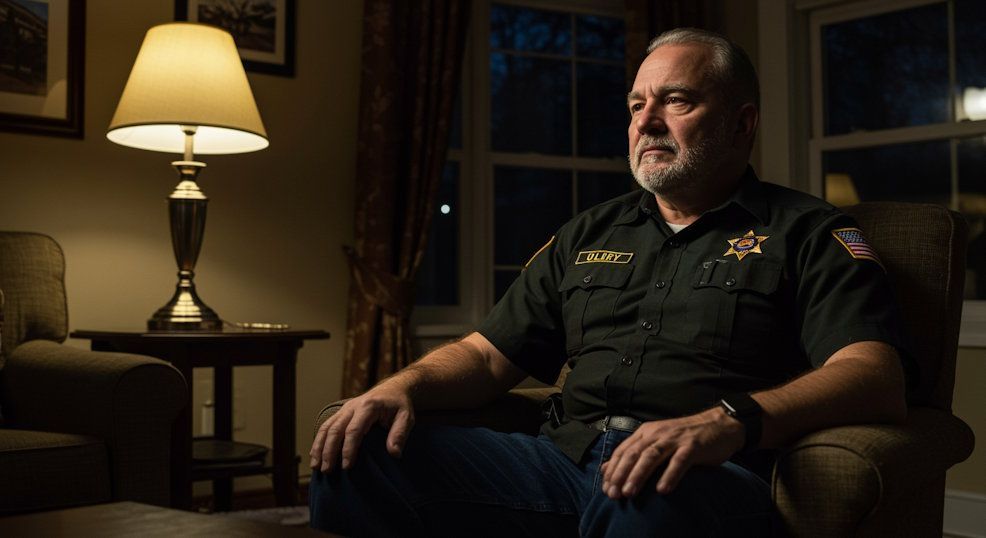
TLDR: In 2026, hypnotherapy helps many Dayton residents with PTSD by calming the nervous system, reducing trauma reactivity, and restoring a sense of safety without forcing people to relive traumatic events.
Why Are So Many People in Dayton Quietly Living With PTSD Symptoms?
When people hear “PTSD,” they often think of extreme cases or dramatic symptoms.
But in my work as a hypnotherapist, most people don’t walk in saying,
“I have PTSD.”
They say things like:
- “I’m always on edge.”
- “My body overreacts.”
- “I don’t feel safe even when I should.”
- “I’m jumpy, exhausted, or emotionally numb.”
- “I don’t feel like myself anymore.”
In Dayton, these experiences are more common than people realize.
PTSD can develop after:
- Accidents or injuries
- Medical trauma
- Childhood experiences
- Military service
- First responder work
- Emotional or psychological stress over time
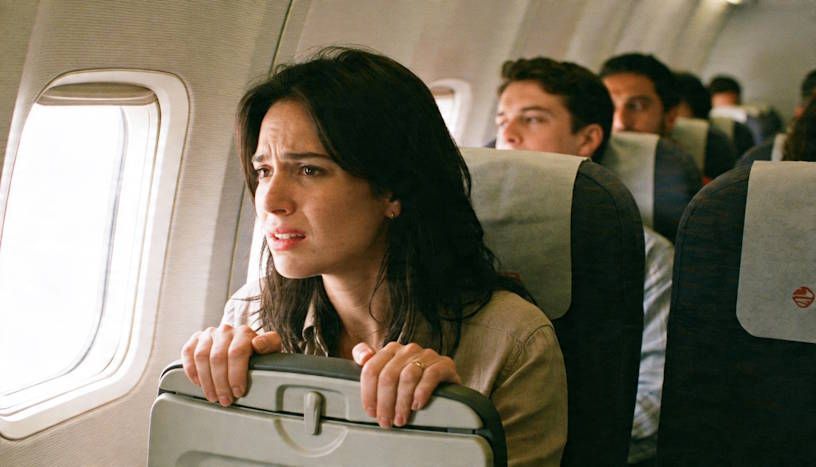
Many people function outwardly while their nervous system stays stuck in survival mode.
What Is PTSD From a Nervous System Perspective?
PTSD is not a weakness.
It’s not a lack of resilience.
From a clinical perspective, PTSD is a nervous system that learned to stay alert to survive — and never learned how to turn that alertness off.
The brain and body remain in:
- Fight
- Flight
- Freeze
Even when the original danger is gone.
This can show up as:
- Hypervigilance
- Startle responses
- Emotional shutdown
- Sleep disturbances
- Irritability
- Physical tension
- Difficulty relaxing
Hypnotherapy works because it focuses on regulation, not re-exposure.
Why Doesn’t PTSD Just Go Away Over Time for Many People?
Time alone doesn’t retrain the nervous system.
When trauma occurs, the brain learns:
“Stay alert. This keeps us safe.”
If that response isn’t gently updated, the body continues reacting as if the threat still exists.
This is why people often say:
“I know I’m safe, but my body doesn’t believe it.”
Hypnosis works by communicating directly with the subconscious systems that control these reactions.

How Does Hypnotherapy Help With PTSD Without Re-Traumatizing Someone?
This is one of the biggest gaps in public understanding.
Hypnotherapy does not require reliving trauma in detail.
In fact, effective hypnotherapy avoids overwhelming the system.
From a clinical standpoint, hypnosis helps by:
- Calming the nervous system
- Reducing trauma-triggered responses
- Increasing a sense of internal safety
- Releasing stored physiological tension
- Restoring present-moment awareness
We focus on how the body responds now, not replaying what happened then.
What Happens During a PTSD-Focused Hypnotherapy Session?
Sessions always begin with conversation.
I want to understand:
- Current symptoms
- Triggers
- Stress patterns
- Sleep quality
- Emotional regulation challenges
You are never forced to share details you’re not comfortable discussing.
During hypnosis:
- You remain fully aware
- Your body relaxes
- Your nervous system shifts out of survival mode
In that state, we work on:
- Installing safety signals
- Reducing hypervigilance
- Strengthening emotional regulation
- Creating grounding responses
- Rebuilding trust in the body
Many people describe feeling calmer, lighter, or more present afterward.
Can Hypnosis Help With PTSD-Related Anxiety, Sleep Problems, or Anger?
Yes — very often.
PTSD rarely exists in isolation.
It frequently overlaps with:
- Anxiety
- Insomnia
- Irritability
- Emotional numbness
- Chronic stress
Hypnotherapy addresses the root nervous system dysregulation that drives these symptoms.
As regulation improves, secondary symptoms often improve as well.
Why Do Triggers Feel So Automatic and Hard to Control?
Triggers bypass logic.
They activate the survival brain before conscious thought has a chance to intervene.
That’s why people say:
“I don’t choose this reaction. It just happens.”
Hypnosis helps retrain the automatic response so the body can pause, assess, and respond rather than react.

How Is Hypnotherapy Different From Talk Therapy for PTSD?
Talk therapy focuses on understanding and processing experiences.
Hypnotherapy focuses on changing how the body responds.
Many people benefit from both.
Hypnosis works at the subconscious level, helping the nervous system learn safety rather than just analyze threat.
That distinction matters — especially for people who feel stuck.
How Many Hypnotherapy Sessions Are Typically Needed for PTSD Support?
There is no single timeline.
It depends on:
- Type of trauma
- Duration of symptoms
- Current stress levels
- Support systems
- Nervous system sensitivity
Progress is individualized and respectful of pacing.
The goal is not to rush healing — it’s to make it sustainable.
Why Is 2026 a Turning Point for Trauma-Informed Care in Dayton?
In 2026, more people are seeking:
- Trauma-informed approaches
- Nervous system regulation
- Drug-free support
- Whole-person care
They want help that feels safe, respectful, and effective.
Hypnotherapy aligns well with this shift when practiced clinically and ethically.
What Should You Know If You’re Considering Hypnosis for PTSD?
Hypnosis is not mind control.
You don’t lose awareness.
You remain in control at all times.
Hypnotherapy is about working with your nervous system, not overriding it. It’s collaborative, gentle, and paced to your comfort.
A Supportive Way to Take the Next Step
If this article resonates with you, you don’t have to decide anything today.
Many people reach out simply to ask questions, understand their options, or see whether hypnotherapy might be appropriate for their situation.
If you’d like to talk or request a call-back, you can reach Everleigh Hypnosis in whichever way feels easiest for you:
📞 Call: 937-777-9293 📝 Or: Take about 20 seconds to send a brief message here requesting a call-back, and we’ll reach out at a time that works for you.








Share
Welcome to our Hypnotherapy Blog, your go-to resource for the latest news, updates, and insights from the world of hypnotherapy for Dayton, Ohio and beyond! Whether you’re new to hypnosis or a seasoned practitioner, we aim to share valuable information that highlights the power of this incredible tool for transformation.
Here, we explore a wide range of topics related to hypnotherapy, including success stories from clients who have used hypnosis to overcome challenges like smoking cessation, anxiety, and stress. We also provide tips and educational articles that debunk myths and explain how hypnotherapy can help you tap into your inner potential.
Our passion for helping people shines through in every post. We are dedicated to using our skills in hypnosis to empower individuals to make positive changes in their lives. With over 27 years of experience, we’ve witnessed firsthand how powerful the mind can be when guided by the right techniques.
Thank you for visiting our blog. We hope you find inspiration and valuable insights as you explore the transformative power of hypnotherapy! Feel free to share this information with family, friends, and others you feel might find this information interesting, entertaining, or helpful in some way!